
Explore the guide
Team fit and meaningful development
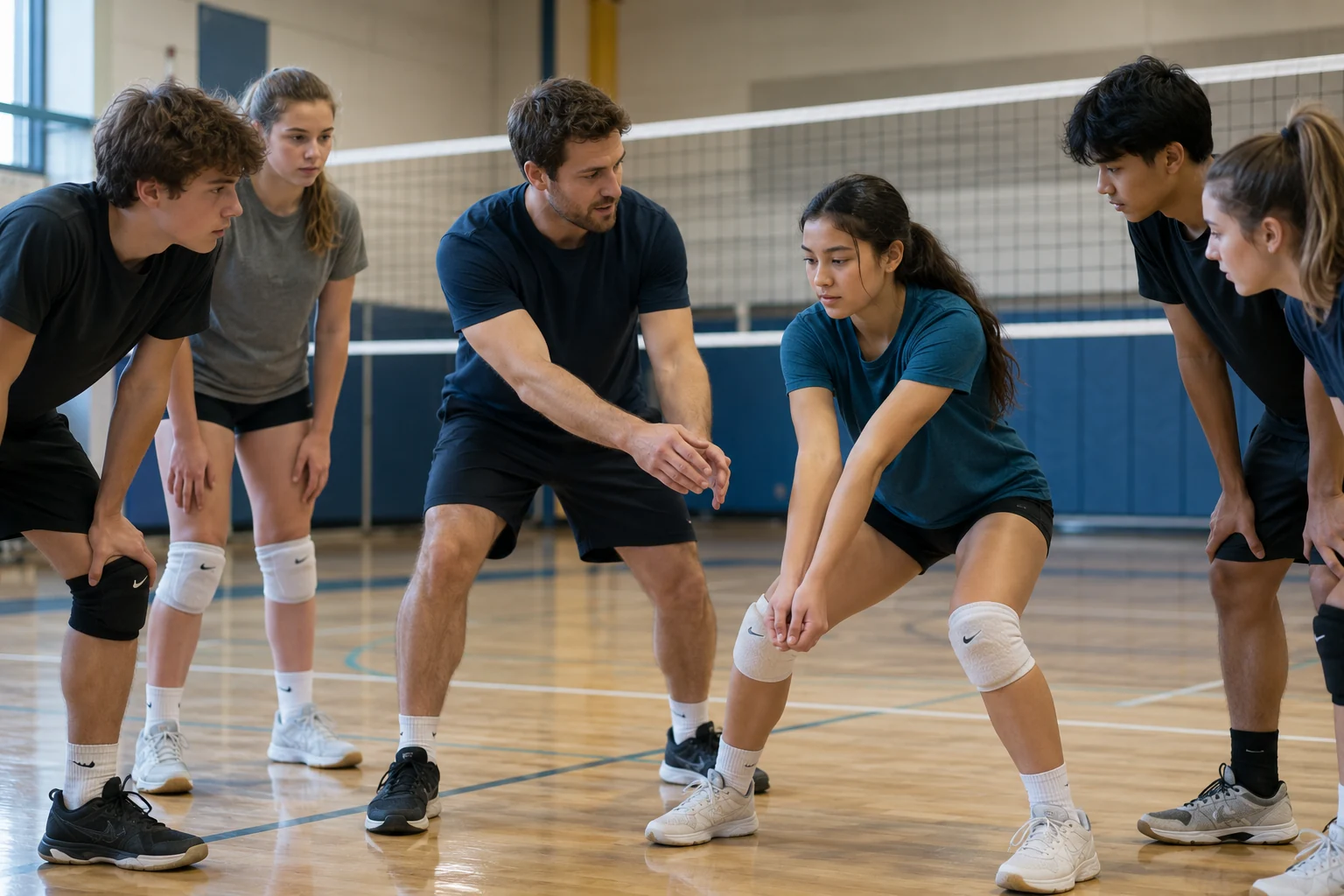
A first team may offer demanding practices but little match experience for a particular athlete. Another team may offer more responsibility and useful repetitions. Compare the role and coaching available to your child, rather than treating the team label as the decision.
Questions that reveal the likely experience
- How many setters, middles, outside hitters and defensive players are expected? Will players train more than one role?
- What happens to a reserve player during practice? Do they receive feedback and game-like repetitions?
- How does court time change between development events and championship matches? Which age-specific rules apply?
- What can the athlete improve to earn a larger role, and when will progress be reviewed?
- How are absences, illness, injury and school commitments handled?
Distinguish disappointment from a poor environment
| What you observe | What to ask or do |
|---|---|
| Less court time with clear feedback | Ask for measurable development goals and a review date. |
| A role changes without explanation | Request a meeting about the original expectations and the new plan. |
| A coach also coaches their own child | Ask how selection, feedback and complaints are independently reviewed. The relationship alone is not proof of favouritism. |
| Payment or extra lessons implied to secure a role | Ask for the policy in writing and whether the purchase affects selection or playing time. |
| Humiliation, threats or unsafe conduct | Prioritize safety and use the reporting process rather than treating this as a court-time dispute. |
Evaluate how the coach teaches
Watch how the coach responds to a repeated mistake, a weaker player and a difficult loss. Useful correction explains the task and gives the athlete a way to improve. Ask whether your child feels able to request help or disclose pain.
High expectations can be appropriate. Public shaming, personal insults and pressure to hide an injury should not be accepted as the price of competitive volleyball.
Be cautious about future promises
Ask what “exposure” actually includes: which events, what film, who communicates with prospective programs and what the athlete must do independently. No club can promise a university place or scholarship on another institution’s behalf. Choose the present development environment as carefully as the future possibility.
Compare offers using the same questions
| Priority | Evidence to seek |
|---|---|
| Coaching | Named coach, feedback approach, planned practice structure and supervision. |
| Development | Likely role, practice repetitions, positional flexibility and progress reviews. |
| Playing time | Written policy, age-specific rules and how expectations change at championships. |
| Family fit | Actual gyms, travel calendar, full budget and withdrawal terms. |
| Trust | Clear answers, written commitments and independent complaint review. |
Mark each answer confirmed, verbal or unknown. Let your athlete weight the priorities. If a club cannot name the coach yet, ask when that will be resolved and what happens if the eventual assignment changes your decision.
Review the season after six weeks
Ask what the athlete is learning, whether they understand their role and whether promised practices are happening. Request a small number of specific goals and a review date. Development is easier to assess through skills, useful repetitions and feedback than through a medal count alone.