
Explore the guide
Handling conflict and protecting your athlete
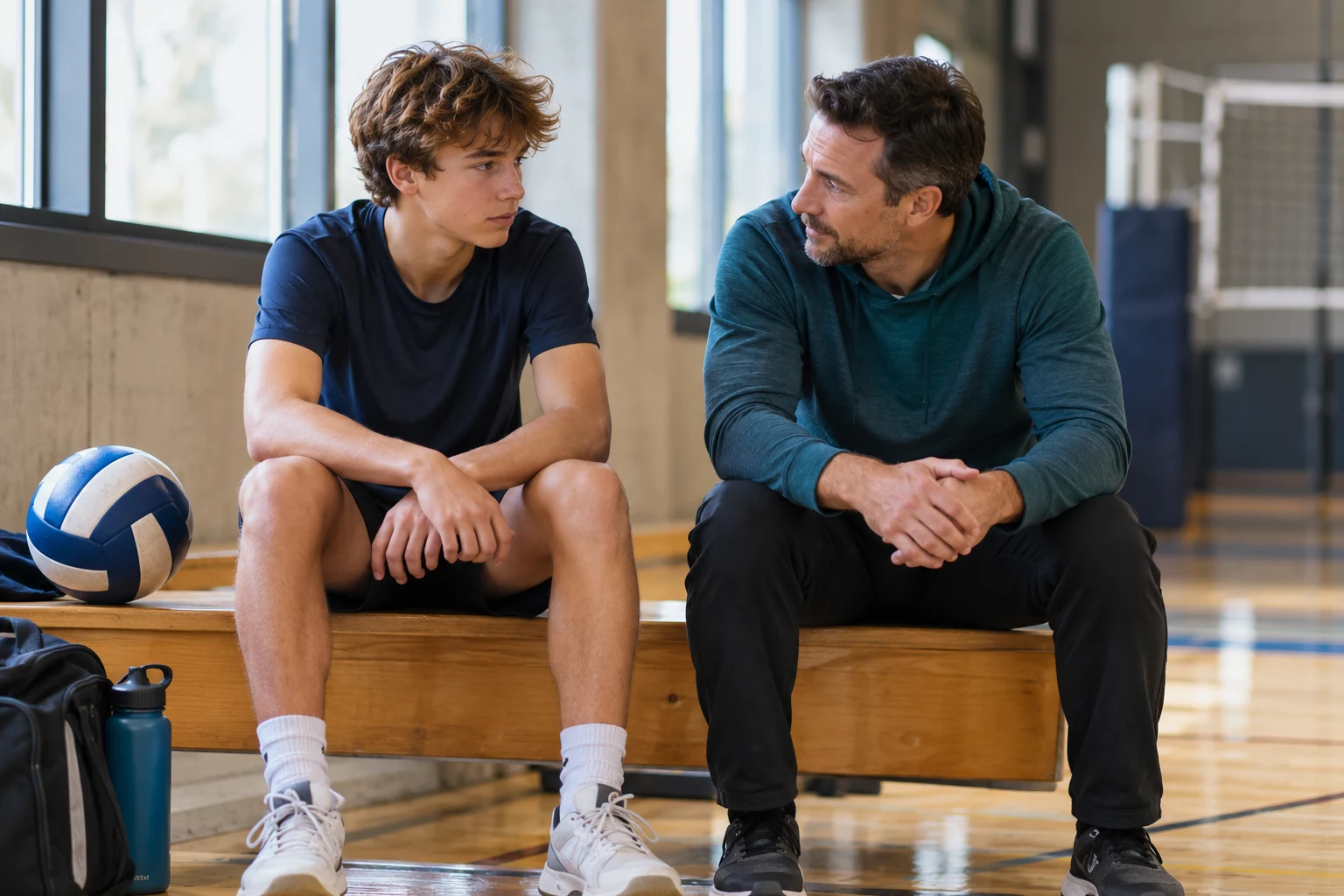
Choose the right route
For routine development concerns, help the athlete ask the coach for feedback when age and confidence make that appropriate. A parent can join if needed. Arrange a calm meeting away from competition; an agreed cooling-off period can help ordinary disputes, but should never delay an urgent safety report.
For a club-policy issue, use its written complaint process. Volleyball BC’s 2027 guide directs concerns about VBC rules to reporting@volleyballbc.org and maltreatment concerns to its independent reporting route. Start from the live Safe Sport and Report a Complaint pages to ensure you reach the current service. [3, 4]
A child should not have to confront an adult alone or exhaust the club hierarchy before a serious safety concern is reported. Where there is immediate danger, contact emergency services.
Document facts and request a remedy
Record dates, exact words where remembered, who was present, relevant messages and the impact on the athlete. Separate firsthand observations from what others told you. Describe what you need: clarification, a development plan, independent review or protective action.
Suggested wording: “On [date], [specific event] occurred. Our understanding of the policy was [expectation]. Please clarify how it applies, what steps will follow and who can review this concern independently. We would like a written response by [reasonable date].”
If you fear retaliation, say so explicitly and ask how your athlete will be protected while the matter is reviewed. Keep communication factual. Avoid public accusations and team group-chat campaigns, especially those identifying other children.
Keep the athlete out of adult politics
- Do not ask your child to collect gossip, monitor teammates or carry messages between adults.
- After matches, ask whether they want to talk. Avoid making every drive home a performance review.
- Check privately whether they feel safe, are learning and still want this commitment. Listen for changes rather than assuming silence means everything is fine.
If distress persists or the environment is unsafe, reassess participation. Before an ordinary transfer or withdrawal, confirm eligibility and financial obligations; for urgent harm, protect the athlete first. The goal is a season that develops the player without sacrificing the child.
Parent politics: stay factual and protect children
Do not circulate rankings of teammates, private injury information or screenshots involving other children. Move a concern from the group chat into the appropriate written process. Ask about criteria and consistency; avoid attributing motives you cannot substantiate.
If a coach or director is the subject of the concern, ask who can review it independently. Keep the athlete’s account in their own words and avoid repeatedly questioning them. A selection disappointment and a serious safety concern need different responses.
Check the everyday safeguards
- How are private messages, one-to-one coaching, transport and overnight supervision managed?
- Who holds emergency contacts and responds to injuries? What is the return-to-play process?
- Can athletes report pain, bullying or a concern without being punished?
- Who can parents contact outside the team coaching staff?