BUYING GUIDES · INDOOR & BEACH
Gear that earns
its place in your bag.
Start with the essentials. Choose a comfortable fit. Spend on what your athlete will use—not everything on the shelf.
A GOOD PLACE TO START
Choose your next purchase.
Check what your club or event already supplies before buying. An athlete’s first season usually calls for a small, useful collection of personal gear. Team uniforms, competition balls and specialist training equipment may be provided or specified separately.
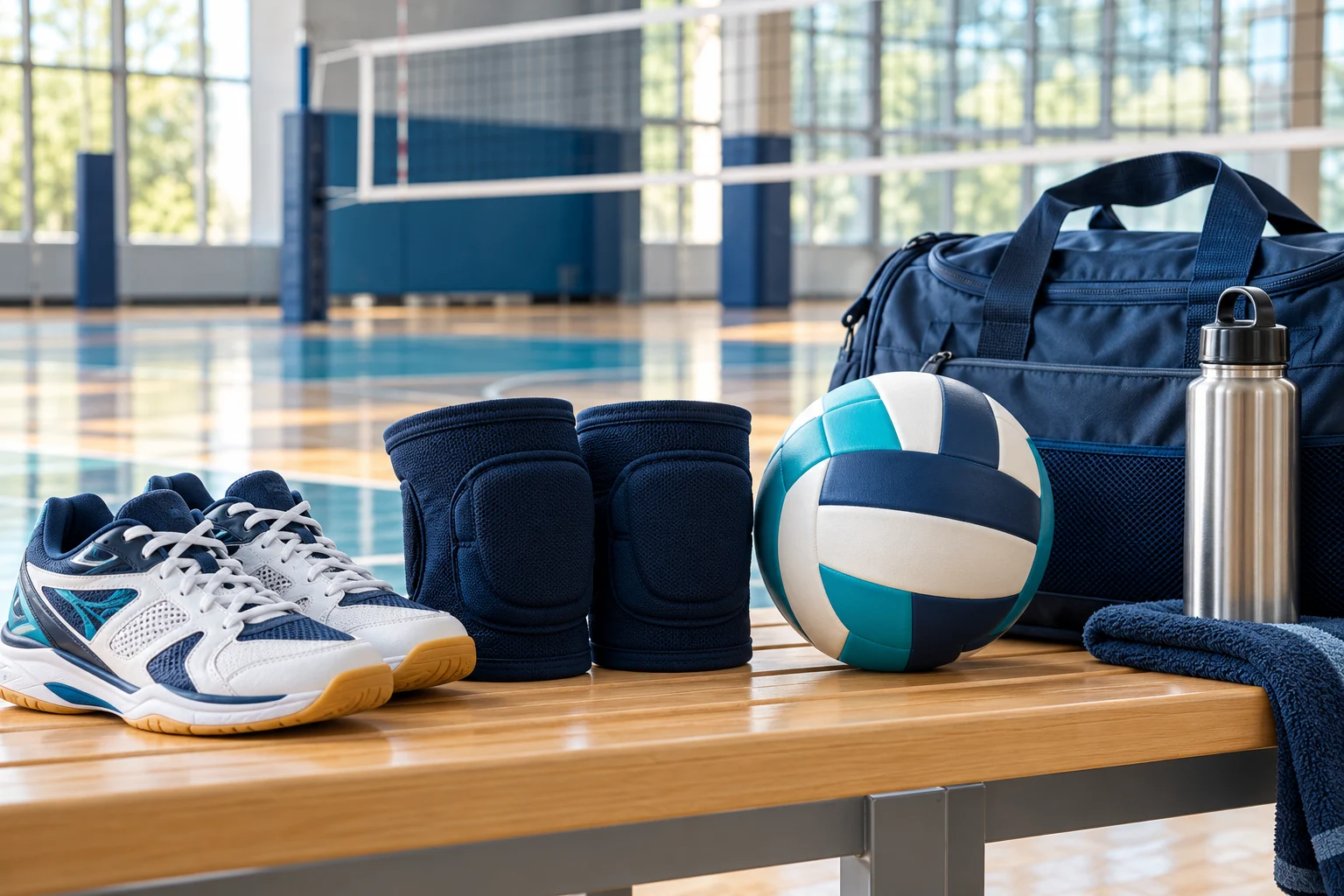
First-season essentials
Shoes, knee pads, a bottle and a bag. What to buy first and what can wait.
Build your kit →
02 / COURT SHOESFit before features
A practical checklist for trying on court shoes and comparing options.
Read the shoe guide →
03 / BEACHPack for the sand
Beach balls, weather essentials and optional equipment for practice.
Explore beach gear →
04 / TOURNAMENTSA bag that is ready
A short packing list for athletes and the adults travelling with them.
Use the packing list →
YOUR FIRST CLUB SEASON
Buy the essentials first.
| Item | What to check | Before spending |
|---|---|---|
| Court shoes | Comfortable fit, secure fastening and an outsole suitable for the gym. | Ask about the gym’s non-marking requirements and try shoes in person when possible. |
| Knee pads | They stay in place during movement and allow comfortable bending. | Check the manufacturer’s measurements instead of choosing by age alone. |
| Practice clothing | Comfort, movement and the team’s requirements. | Use suitable clothing you already own before buying branded extras. |
| Water bottle | Easy to carry, clean and identify. | Label it; check where the venue allows bottles. |
| Sports bag | Room for shoes, clothing and a bottle without being awkward to carry. | Check what you actually pack before choosing the largest bag. |
| Socks | Comfort with the shoes you will wear. | Keep a clean spare pair in the tournament bag. |
Confirm whether an athlete needs a personal ball and which model the coach recommends. Buying a competition ball is not automatically part of joining a team.
What can usually wait?
Extra branded clothing, a second bag, a ball cart and specialist training tools can wait until there is a clear use for them. A team practice kit and personal spending priorities matter more than copying another athlete’s collection.
Put gear in the same budget as club fees and travel. Our costs and travel guide helps you see the whole season rather than just the first purchase.
COURT SHOE BUYING GUIDE
The right fit is the starting point.
Compare shoes for your athlete’s movements and comfort, not just the colour or a professional player’s endorsement. ASICS’ published volleyball guidance distinguishes cushioning, flexibility and stability needs across different playing styles. That is a useful way to ask questions, not a reason every athlete needs the most expensive model. [1]
- Bring the socks you play in. Try both shoes, lace them properly and stand up before making a decision.
- Check comfort throughout the shoe. Ask a fitter about heel security, width and toe space. Do not accept obvious pinching because you hope it will disappear.
- Move in the permitted try-on area. Notice how the shoe feels when changing direction and bending. Ask which features suit the movement your athlete does most.
- Read the return rules first. Check whether indoor try-on is permitted and whether worn shoes can be returned. Save the packaging and receipt until you decide.
- Compare the complete cost. Include delivery, currency conversion where relevant and the cost of a return shipment.
Does a higher price mean a better shoe for my athlete?
Use fit and intended use to decide. A feature you will not use does not automatically make a shoe a better purchase. Compare a few suitable options at your budget rather than assuming one brand or price point fits everyone.
Should I buy a size up for growing feet?
Ask a knowledgeable fitter to assess the actual fit. Buying extra space without checking how the foot moves in the shoe can leave the athlete with an uncomfortable pair. Re-check fit during the season.
What about supports, braces or insoles?
If your athlete needs a particular support or has an existing injury concern, ask the relevant qualified professional and take the support to the fitting. A shopping guide cannot determine which support an athlete needs.
BEACH VOLLEYBALL
A lighter kit for the sand.
Choose equipment around where you practise, the expected weather and what the venue supplies. Start with personal items before buying a net system or a team shelter.
Personal beach kit
- A beach volleyball if your coach asks you to bring one.
- A labelled bottle and access to refills.
- A hat, sun-protection supplies and clothing suited to the conditions.
- A towel, change of clothing and a separate bag for sandy items.
- Sand socks if they suit your court conditions and comfort.
- A layer for cooler breaks or changing weather.
Optional practice equipment
- A ball pump and compatible needle.
- A portable net only after checking setup space, anchoring and venue permission.
- Court lines suitable for the place you intend to use them.
- A bag that keeps equipment organised during transport.
- A shade shelter only where event and venue rules permit it.
As a specific example, Volleyball Canada’s 2026 Senior Beach Nationals guide names the Mikasa BV550C and says teams supply their own warm-up balls. That does not establish a universal requirement for every youth practice or event. Check your own competition guide before buying. [2]
At some events, hiring equipment is an alternative to travelling with it. Volleyball Canada’s 2026 Beach Nationals page describes a limited equipment rental service in Toronto and restrictions on where large tents can be placed. Confirm availability and venue rules for the event you are actually attending. [3]
New to the game? Start with our beach volleyball guide. For a worksheet-based season plan, explore kits and add-ons.
TOURNAMENT PACKING LIST
Pack once. Check before you leave.
Use this as a starting list and add the team’s specific instructions. Confirm venue rules for food, seating and bags.
Athlete bag
- Uniform and any required team clothing.
- Court shoes or beach items for this event.
- Knee pads if used; clean spare socks.
- Water bottle and food permitted at the venue.
- Towel and change of clothes.
- Personal items and any prescribed supplies needed for the day.
- Schedule, team contact and travel details.
- A separate bag for used or sandy clothing.
Parent or travel bag
- Venue address, parking and admission information.
- Phone, charging cable and charger.
- Food and water arrangements.
- A suitable layer for the gym or outdoor weather.
- Seating or shade only if permitted.
- Accommodation and transport confirmations.
- A simple spending plan for the day.
- Emergency contact details.
Keep the ordinary gear together between events, then check clothing, food and travel details each time. Replace worn or unsuitable items when there is a reason, rather than buying a new collection for every tournament.
WHERE TO LOOK
Browse gear retailers.
These are places to explore suitable products, not a ranking of the best store or a promise of stock. Compare fit, delivery, returns and the final price. Buying through a retailer means the order is handled by that retailer.
EXTERNAL RETAILER
Amazon.ca
Explore general sports gear and accessories. Check the seller, product details and return terms for each listing.
Browse Amazon.ca (opens in a new tab)EXTERNAL RETAILER
Sport Chek
Browse a Canadian sports retailer for footwear, clothing and equipment. Confirm suitable sizing and local availability.
Browse Sport Chek (opens in a new tab)EXTERNAL RETAILER
Canuckstuff
Browse volleyball equipment and teamwear. Check sizing, delivery and return terms before ordering.
Browse Canuckstuff (opens in a new tab)EXTERNAL RETAILER
Jumplete
Explore volleyball knee pads, socks, apparel and accessories. Compare the product details, fit and return options.
Browse Jumplete (opens in a new tab)EXTERNAL RETAILER
All Volleyball
Browse a volleyball-focused US retailer. Check currency, Canadian delivery and any import or return costs before ordering.
Browse All Volleyball (opens in a new tab)Check delivery, currency, seller details and return conditions on the retailer’s website before purchasing.
BEFORE CHECKOUT
Five checks that can save a purchase.
- Need: have we confirmed that the team does not already supply this?
- Fit: have we checked the manufacturer’s sizing and a realistic try-on or return option?
- Cost: are delivery, taxes, currency and possible return costs understood?
- Use: does the item suit this court, event or season?
- Timing: will it arrive before the athlete needs it?
Inspect condition and suitability carefully, and distinguish personal fit items from durable equipment. Ask the club about borrowing or sharing items that will only be used occasionally.
Our buying guides focus on purchase questions and practical use. They do not claim hands-on testing of specific models. Retailer names and links do not mean that a retailer endorses Club Volleyball HQ.
MAKE THE WHOLE SEASON FIT
Put your costs on paper.
Use the Parent Toolkit to compare clubs, plan a season budget and record the questions your family needs answered.
READ FURTHER
Buying and event references.
Checked October 11, 2026. Event examples refer to the named 2026 competition. Confirm your current event’s requirements.
- ASICS: The Right Volleyball Shoes for Your Playing Style — manufacturer guidance, July 23, 2026.
- Volleyball Canada: 2026 Senior Beach Nationals competition guide — event ball and warm-up equipment.
- Volleyball Canada: 2026 Beach Nationals — event equipment rental and venue information.
Checklists and purchasing questions are Club Volleyball HQ guidance.